
Dynamic CertificationTM for Physical AI
Certify what changes.
AI-enabled products evolve continuously. Their assurance must evolve with them.
SafetyCert.AI uses a patent pending methodology to help Physical AI companies establish a trusted safety baseline, evaluate the impact of change, and generate the evidence needed to maintain confidence as models, software, hardware, applications, and operating environments evolve.
Independent testing. Product certification. Lifecycle assurance.
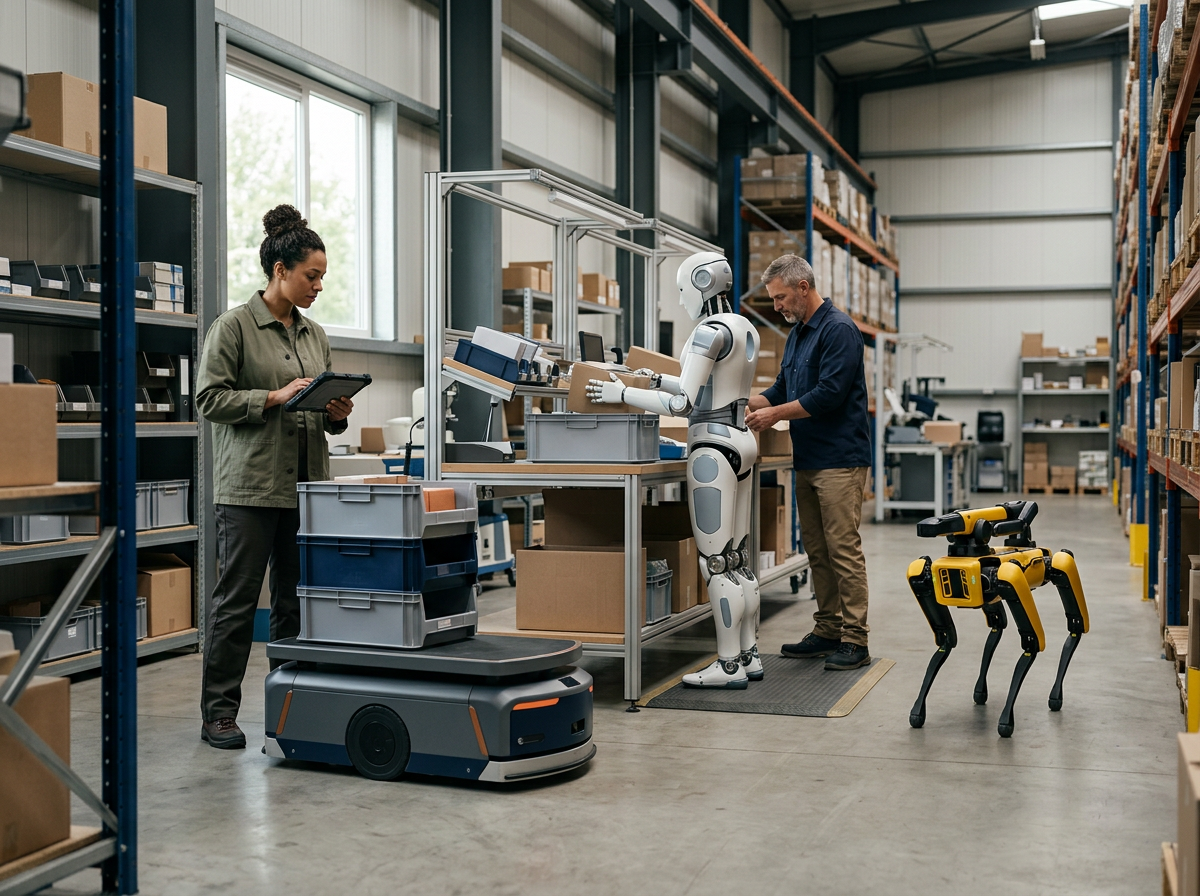
Physical AI cannot rely on static certification
Traditional certification evaluates a defined product configuration at a specific point in time. Physical AI does not remain fixed.
Models are updated. Software changes. Sensors and compute platforms evolve. Robots perform new tasks and enter new operating environments. Each change raises a critical question:
Is the existing safety evidence still valid?
Without a structured lifecycle approach, companies face repeated testing, uncertain release decisions, disconnected evidence, and unclear certification status.
Dynamic Certification replaces that uncertainty with a controlled, repeatable process.
“Dynamic Certification is a patent pending lifecycle assurance framework that maintains confidence in an AI-enabled system as the product, model, software, and operating environment change.”
What is Dynamic CertificationTM?
SafetyCert.AI connects each material change to the safety claims and evidence it may affect.
Valid evidence is preserved. Affected functions are revalidated. Material changes receive the appropriate level of independent review. The assurance record is updated to reflect the current product configuration.
Test what changed. Preserve what remains valid. Maintain confidence throughout the product lifecycle.
How Dynamic CertificationTM works
01. Establish the baseline
Define the product, intended use, operating environment, safety claims, acceptance criteria, and supporting evidence.
Outcome: A controlled assurance baseline.
02. Monitor change
Track changes to AI models, training data, software, sensors, compute platforms, applications, and deployment conditions.
Outcome: Visibility into changes that could affect safety.
03. Determine safety impact
Evaluate each change against the approved safety claims, assumptions, controls, limitations, and evidence.
Outcome: A documented impact determination.
04. Revalidate what changed
Preserve unaffected evidence and perform targeted testing for the claims, functions, or operating conditions that may have changed.
Outcome: Proportionate, risk-based revalidation.
05. Maintain assurance
Update the evidence package and make the appropriate independent assurance or certification determination.
Outcome: A current and defensible assurance status.
A clear way to begin
You do not need to have the entire certification pathway defined before engaging SafetyCert.AI. Start with the decision you need to make now, then build toward a scalable lifecycle assurance program.
01. Start
Map the pathway
We define what must be proven, identify applicable requirements, assess your existing evidence, and determine the most efficient path forward.
Best for:
New AI-enabled safety functions
Unclear certification requirements
Emerging or incomplete standards
Early product and architecture decisions
Deliverable: Dynamic Certification Roadmap
02. Prove
Establish the evidence
We develop explicit acceptance criteria and independently evaluate the AI-enabled function across relevant conditions, boundaries, and failure scenarios.
Best for:
Perception and human-detection systems
Autonomous navigation and decision-making
Robustness and boundary testing
Independent review of internal results
Deliverable: Independent Validation Package
03. Scale
Maintain assurance
We establish a controlled process for evaluating model updates, software releases, product variants, new applications, and deployment changes.
Best for:
Products with frequent software releases
Multiple deployment environments
Robot and automation portfolios
Platforms and technology ecosystems
Deliverable: Dynamic Certification Control Plan
Certification becomes more valuable over time
The first engagement establishes the assurance baseline. Every subsequent evaluation strengthens a structured body of evidence that can be maintained, extended, and reused.
Dynamic Certification transforms certification from a recurring obstacle into a lifecycle business asset.
Start with one safety decision. Build an assurance system that scales with your technology.
01. Preserve valid evidence
Avoid repeating work when existing safety claims and supporting evidence remain unaffected.
02. Make faster release decisions
Determine whether a change requires documentation, targeted testing, reassessment, or a new certification decision.
03. Scale across deployments
Extend an established assurance framework to new products, applications, customer sites, and operating environments.
04. Strengthen market confidence
Provide customers, assessors, safety teams, and other stakeholders with independent and current evidence.
Dynamic CertificationTM across the Physical AI ecosystem
SafetyCert.AI works with organizations developing, integrating, and deploying AI-enabled systems in safety-critical environments.

Robot and autonomous-system manufacturers
Validate AI-enabled safety functions and maintain assurance as models, tasks, software, and deployments evolve.
Typical applications:
Safe human detection
Perception systems
Autonomous navigation
Dynamic motion and behavior
Human-robot collaboration

Industrial automation portfolios
Create a consistent assurance framework across product families, releases, customer applications, and operating environments.
Typical applications:
Industrial robots
Autonomous mobile robots
Warehouse automation
Material handling
Flexible manufacturing
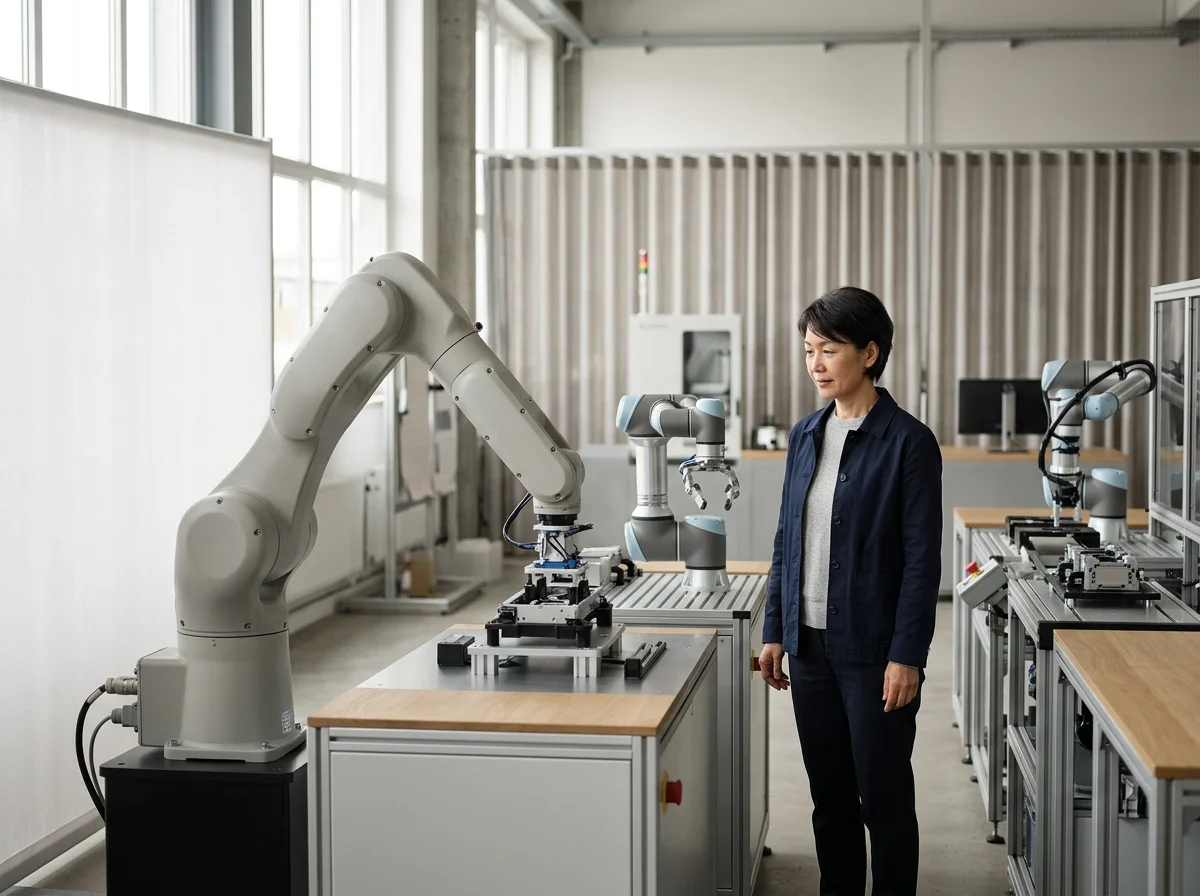
AI, compute, and safety platforms
Establish repeatable evaluation and certification pathways for applications and integrations built on a shared technology platform.
Typical applications:
AI compute platforms
Safety operating systems
Robotics middleware
Application frameworks
Developer ecosystems
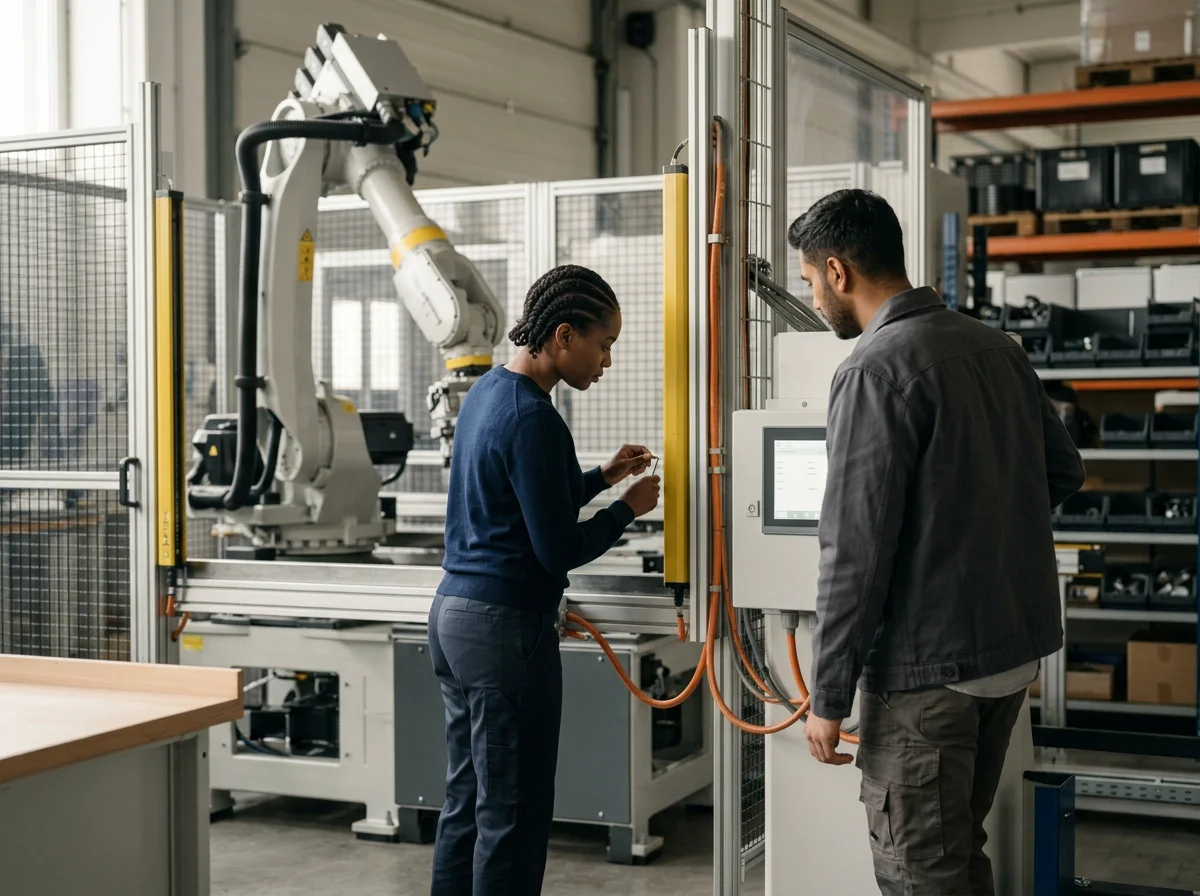
Safety technology providers
Demonstrate how a component or subsystem contributes to system-level safety across different integrations and deployments.
Typical applications:
Safety controllers
External perception
Sensor and compute systems
Safety software
Runtime monitoring
Built for AI under functional safety constraints
Change-aware
Connect changes in the product to the safety claims, assumptions, and evidence they may affect.
AI-specific
Address model behavior, data, uncertainty, robustness, limitations, and performance boundaries.
Dynamic Certification requires more than continuous testing. It requires a structured relationship between product change, safety claims, technical evidence, and independent decisions.
Evidence-preserving
Retain valid evidence instead of automatically restarting the entire evaluation process.
Reproducible
Use explicit success thresholds to support consistent experimental decisions across repeated trials.
Risk-based
Match the depth of review and revalidation to the potential safety impact of the change.
Independent
Provide impartial technical scrutiny that supports internal release decisions and external stakeholder confidence.
Independent testing and certification
Dynamic Certification is being built on an internationally recognized conformity-assessment foundation.
SafetyCert.AI is establishing the accredited capabilities required to independently test AI-enabled safety functions, make product-certification decisions, and maintain assurance as certified systems change.
ISO/IEC 17025
Accredited laboratory testing
SafetyCert.AI is completing its ISO/IEC 17025 laboratory accreditation process, with completion targeted for Q4 2026.
The intended capability supports controlled testing, competent technical evaluation, reproducible methods, and reliable results for AI-enabled safety functions.
Status: Accreditation in progress
Target: Q4 2026
ISO/IEC 17065
Accredited product certification
Following official publication of ISO/IEC TS 22440, SafetyCert.AI plans to complete ISO/IEC 17065 accreditation for its applicable product-certification scheme.
This capability is intended to support independent certification decisions and continuing certification maintenance for evolving physical AI systems.
Status: Planned following publication of ISO/IEC TS 22440
Target: Q1 2027
Accreditation applies only after formal approval and only to activities included within the published scope of accreditation. Timelines remain subject to the applicable standards-development and accreditation processes.From testing to continuing certification
Accredited testing produces trusted technical evidence. Accredited product certification governs the independent certification decision. Dynamic Certification connects them throughout the product lifecycle.
01. Product change
A model, software component, sensor, application, or operating condition changes.
02. Impact assessment
The change is evaluated against the approved safety claims and assurance baseline.
03. Targeted testing
Affected functions are evaluated using defined methods and acceptance criteria.
04. Independent determination
The updated evidence is reviewed and the appropriate assurance or certification decision is made.
Not continuous testing. Continuous assurance.
-
No. Dynamic Certification evaluates the potential impact of each material change. Existing evidence is preserved where it remains valid, and additional evaluation is focused on the claims and functions that may be affected.
-
No. Dynamic Certification provides a controlled process for determining what review, testing, or certification action is appropriate. Certification decisions remain independent and evidence-based.
-
No. The required action depends on the nature and potential safety impact of the change. Some changes may require documentation only. Others may require targeted testing, broader reassessment, or a new certification decision.
-
Yes. The framework can identify which evidence is common across deployments and which operating conditions, configurations, or applications require additional evaluation.
-
The highest value is typically created when assurance planning begins before the product architecture and validation strategy are fixed. SafetyCert.AI can also enter later to evaluate existing evidence, identify gaps, and define a path forward.
What will change after your initial certification?
Models will be updated. Software will evolve. New applications and operating environments will emerge.
SafetyCert.AI helps you establish the assurance framework needed to manage those changes before they become barriers to certification, customer acceptance, or deployment.
Begin with a focused readiness assessment and leave with a defined pathway, evidence-gap analysis, and recommended next steps.